
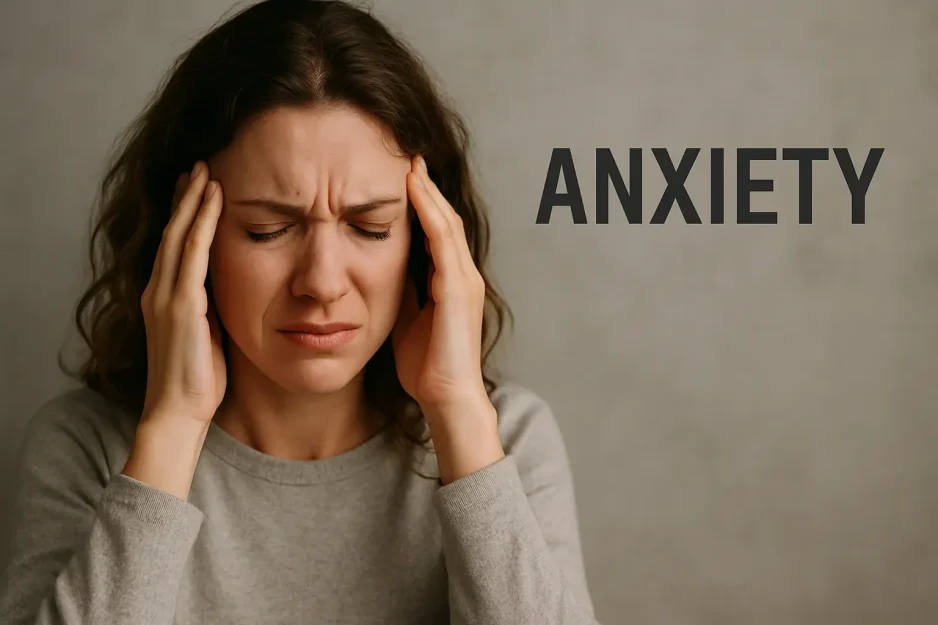
Anxiety, this “painful feeling of expectation,” is a normal phenomenon when it arises in situations of particular gravity and danger for the individual (real anxiety), that is, when connected to a valid cause. It is considered pathological when it is intense but does not correspond to truly painful, dangerous, or threatening situations.
Anxiety can be hidden or latent, experienced only internally without obvious external manifestations and is described as a feeling of internal unease, restlessness, or undefined internal tension, or it can be manifest, through behavioral and autonomic expressions.
Anxiety often imposes itself and influences the entire psychic life, and if particularly intense, it can disrupt all intellectual activity, alter perception and attention, and disorganize conscious life and individual behavior. It is often accompanied by multiple physical sensations that can affect every part of the body and alter physical activity, the so-called somatic symptoms of anxiety.
Among the most significant symptoms are a feeling of tightness in the chest, palpitations, shortness of breath, a lump in the throat or stomach, leg tension, and headache. These symptoms are also accompanied by objective symptoms such as tachycardia, sudden changes in blood pressure, excessive sweating, dry mouth, and vomiting. Extremely severe anxiety is called anguish.